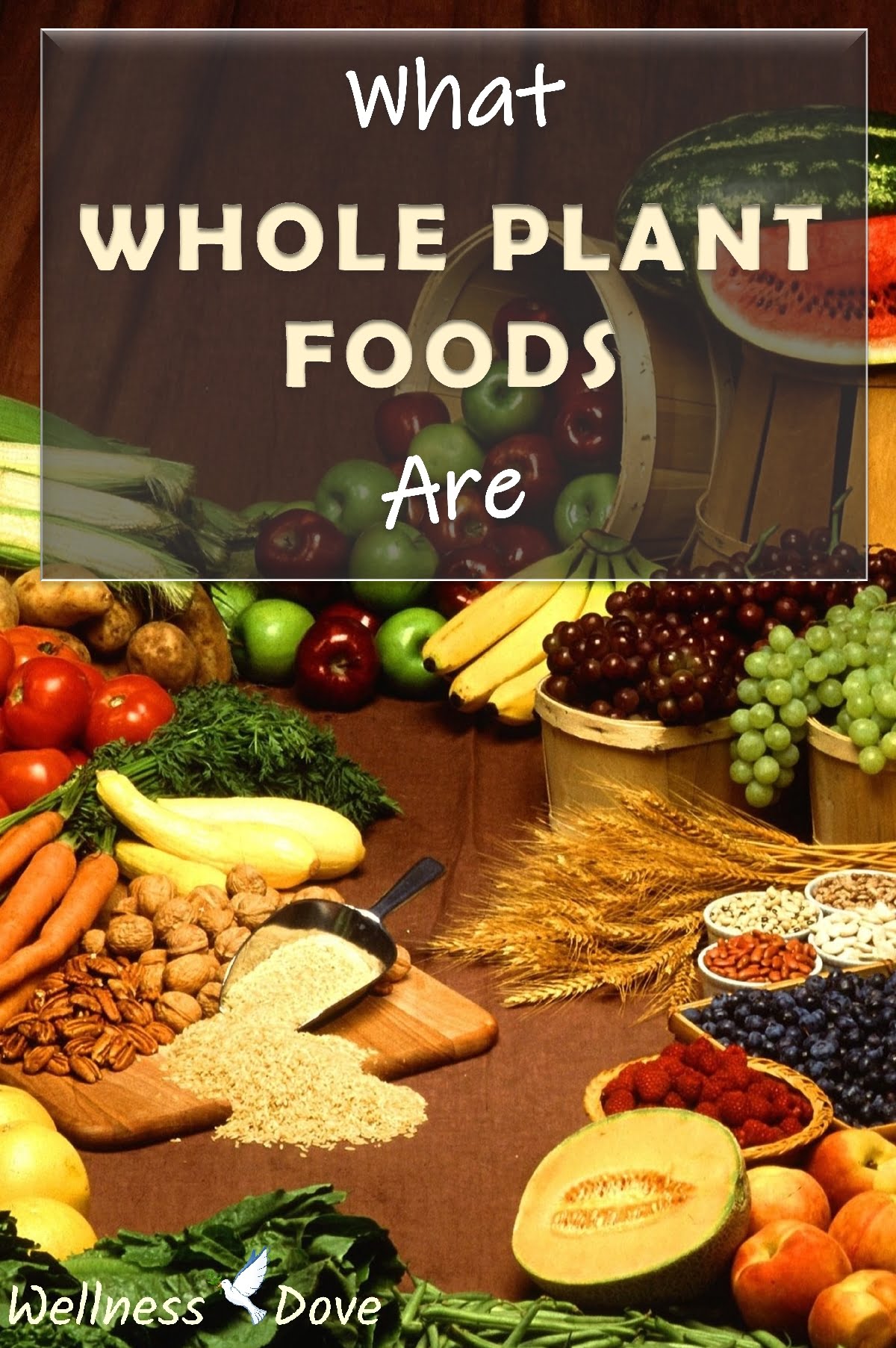

We all know that people are omnivores.
Out of necessity. Like most other omnivores.
Almost.
The main difference between us and, say, bears, is that most bears are omnivores that eat meat whenever they can get it, along with a range of plant foods.
We are the other way around. Our ancestors have eaten some meat for about two million years, but most people in history lived mainly on starches: rice, corn, potatoes, wheat and beans. Meat was the occasional extra, not the center of the plate.
Moving it to the center has a cost, though.
And the price we pay is our health.
The industrial devolution of our health
People are like grass. We are able to survive on every corner of the planet.
And until recently, surviving was the life purpose for everyone, to procure just enough food and continue living.
Food was and should be at a premium.
And the least abundant of all foods are animal foods. The foods eaten regularly only by those rich enough to buy them.
Most of humanity ate simply, and mostly plants.
Up until a century ago.
Following the industrial revolution, we began to produce animal products cheaply enough so that everybody could afford them.
And who did not want to eat the rich foods of kings and queens?
With the rising popularity of animal foods and processed foods, suddenly people started to suffer from obesity, heart disease, diabetes, cancer, allergies, autoimmune diseases… Us, personally, included.
Heart disease and cancer were already on America’s list of top killers in 1900, far behind infections. A century later, they were first and second.
Not because we were meant to suffer.
For most of history, meat was an occasional extra for most people. Now many of us eat animal and processed, unnatural foods at nearly every meal.
Mean meat
The World Health Organization’s cancer agency classifies processed meat, like bacon, ham and hot dogs, as a cause of colorectal cancer, and red meat as a probable cause.
Yet, many of us eat it every day.
By some odd turn of events, we feed ourselves and our beloved pets the foods that make us sick.
Meat contributes to many of the chronic diseases that are common in the West and spreading everywhere else.
Meat brings saturated fat and cholesterol, which raise LDL cholesterol, the main driver of heart attacks and strokes. In a controlled three-month trial, a diet high in saturated fat also made people about 10 percent less sensitive to insulin.
Undigested animal proteins putrefy in our guts, contributing to colon cancer.
The list goes on and on.
Meat was never meant to be a food on which we can thrive. It was a source of calories so that we do not die until we find real, plant food.
We believe that on a deep, subconscious level all of us know that meat cannot be that good.
It’s common to hear people say “I have not been feeling well lately, I might need to cut down on meat” in some form or another.
Most of us do not know how. Or feel alone in this and do not have the courage to do so.
We are here to help.
Deceitful dairy
If we know that meat is not the best food for us, dairy is hardly on the radar of most people.
After all, all human babies eat it so it must be good for us.
But it is not!
It’s a highly addictive, calorie-rich cow secretion that no other grown animal in the world eats.
Neither should we.
About two thirds of adults worldwide lose most of their ability to digest lactose, the sugar in milk, after childhood.
Not because there is something wrong with them but because that is nature telling us we should not touch that thing.
In essence, milk is liquid meat. And cheese is concentrated liquid meat.
The protein and fat in dairy do the same damage as meat’s protein and fat.
And then some.
Whether early cow’s milk plays a part in type 1 diabetes has been studied for decades. The largest trial, which followed 2,159 at-risk babies for more than 11 years, found that keeping intact cow’s milk protein out of their formula did not lower their risk.
Why is it so?
Cow milk is not human milk.
Cow’s milk is built for an animal that grows fast. A Holstein heifer weighs around 370 pounds at six months and about 660 pounds by her first birthday.
Humans grow slowly!
Cow’s milk has about three times the protein of human milk, and drinking it raises a growth signal called IGF-1 in people’s blood.
And when the calf is grown, it stops drinking milk.
It does not need to grow more.
So it is fair to ask what that growth signal does in adults who have finished growing. Large studies link more dairy to a modestly higher risk of prostate cancer, about 7 percent for every 400 grams a day, a little under two cups of milk.
And do not think that milk is good for kids, because they need to grow.
Kids need to grow slowly and develop fully.
Children do need to grow, but slowly and steadily, and pushing that growth with a food built for calves does them no favors.
It’s like revving the engine of a car. It will accelerate faster… probably break sooner.
Ensnaring Eggs
Eggs must be good, at least eggs…
Well… probably a tiny bit better.
After all, they are not as rich in potent mammalian hormones as milk and cheese are.
Eggs are rich in saturated fat and animal protein.
Animal protein raises IGF-1, a growth signal that has been linked to a higher risk of some cancers.
Their saturated fat raises LDL cholesterol, which is what builds up in artery walls, and it makes cells less responsive to insulin.
One large egg carries about 186 milligrams of cholesterol, more than most people realize.
Preposterous Processed foods
Preposterous they are.
“Contrary to nature, contrary to reason” is how a dictionary defines preposterous. “Absurd”!
We could not have described processed foods better.
Taking a food, say a grain, and mechanically removing selected parts of it is not what we evolved to eat.
Sure, white flour will taste better than whole grain. Sugar might taste better than beet roots. And olive oil makes food tastier for most people.
Not because these are better for you but because they are unnatural.
Oil is more calorie-dense than anything in nature, and sugar and white flour are far more concentrated than any whole grain, bean or fruit.
So our brain resolves that we better eat as much of the stuff as we can because there probably won’t be any tomorrow.
Somewhat like winning the lottery. You had better take all the money now as you know that the probability of winning the lottery again is negligible.
Processed foods are like the lottery.
They truly feel like the winning lottery. Dopamine is released into the brain in both cases.
Real lottery winners, according to a large Swedish study, tend to stay more satisfied with their lives for years. The processed-food jackpot does the opposite.
The key is not to give in and spend your money wisely and conservatively.
Slow and steady.
In case of the human body, slow and steady means avoiding processed foods.
Processed foods basically enter the blood stream all at once. The body does not tolerate that and needs to remove them from the blood… into the fat cells.
You get obese, diabetes type 2 and age faster. Just like spending all the money from the lottery at once.
Eat whole grains, beans, corn, brown rice, potatoes, whole. Steamed or boiled. Add vegetables, fruits and some nuts and seeds as well. That way you get to spend your lottery money wisely and slowly.