


“Walking is good for you!”
We hear this common phrase a lot, but does it really have the positive effects on weight loss that we’ve been told?
Let’s take a closer look at what walking can do to help shed pounds.
Walking Is Simple and Easy
Any exercise is better than no exercise!
Walking is the perfect way for newbies to get started with their weight loss goals because it’s a low-impact exercise that can be done at any age or fitness level. If you’re just starting out or looking for an easy workout, walking is a perfect choice.

Walking is also a great way to get in some exercise without feeling like you’re working out. It doesn’t require any special equipment or knowledge, and it can be done anywhere with little preparation.
The best part is that you don’t even need to be going very fast or for long distances to get a good workout in, and this makes walking especially great for beginners who may have been intimidated by the idea of joining a gym.
It can also work as an effective complement to other forms of weight loss workouts such as running or jogging.
It’s Effective
Walking is one of the best ways to lose weight. It’s low impact, so it doesn’t damage joints or cause other injuries like running does and you can do it for a long time as well!

Walking burns anywhere from 200-400 calories per hour depending on your size, speed, and terrain. It’s also a great way to increase your daily steps so you can reach the recommended ten thousand!
One study found that those who walked for 150 minutes per week (30 minutes every day) lost more weight than those in a traditional exercise program. That’s because walking tends to slow down your metabolism, so you burn fewer calories over time. This leads to less weight gain and loss overall!
It doesn’t have to be too vigorous either- if it’s tough for you to walk long distances or at high speeds then just try walking in places like around town where there are sidewalks instead of running on pavement.
Walking Stimulates Good, HEALTHY Weight Loss
The weight loss benefits of walking are not just because it’s a low-impact exercise.
In fact, when we walk our fat cells release lipase which digests the stored fats and converts them into energy that can help us feel satisfied after eating less food!
It also helps to lower blood sugar levels so you don’t get hungry as often and it increases the metabolism rate.

The calories burned by walking are not as significant in comparison to other exercises, but it’s still a form of aerobic exercise that can help you lose weight.
One study found that taking daily brisk walks over an eight-week period led to nearly four pounds of weight loss, in addition to substantial improvements in sleep quality and reductions in body fat.
Can you lose weight just by walking?
No. But before you go, let’s talk about why.
If you want to lose weight by walking, there’s one equation you need to know. It is:
Walking + Healthy Whole Plant Foods Diet = Weight Loss
In fact, our 21-Day Weight Loss Challenge is about losing weight quickly with a healthy diet and walking!
You don’t need to do any exercise except for walking. No dumbbells, no squats, and no pushups.
A natural movement such as walking plus a healthy diet are nature’s way to keep your body in shape!
The Benefits of Walking Beyond Weight Loss
The benefits of walking don’t stop at weight loss.
Brisk walks also improve heart health and can give your brain a boost as well!

A 2016 study found that those who walked briskly for 45 minutes per day had more white matter in their brains than those who were sedentary. White matter is important because it provides communication between brain cells
Also, those who walk briskly can reduce their risk of cardiovascular disease by up to 50%!
Walking is also great for your mental health and general wellbeing because it reduces stress levels and increases serotonin! It boosts moods, helps us be more creative, and even improves our sleep quality!
Walking may provide numerous other health benefits such as lower blood pressure, improved bone density in your hips and spine, reduced risk of cancer, stronger immune system, and healthier control of diabetes symptoms.
It’s worth it!
Walking is a fantastic way to get your heart pumping and feel energized for the day ahead. It doesn’t have to be long or intense – even just taking laps around the block for 30 minutes can help!
You Can Enjoy the Benefits of Walking in Any Weather
There are many benefits of walking, but it’s hard to do because the weather can be unpredictable.
I usually prefer when people walk outside in the spring and autumn months rather than wintertime or summertime where they might be exposed to rain or too much heat!
If you live somewhere with milder temperatures, then go for a long walk outside or take a walk around the neighborhood.
If you don’t live in an area with warmer temperatures and it’s below freezing then I recommend going for a brisk indoor stroll on the treadmill, elliptical machine, using your arms while walking up stairs; anything that gets your heart rate up!
The whole point is to get your body moving!
Practical Way to Incorporate Walking into Your Day-To-Day

- Walk to the store instead of driving. Park a little farther from your destination and walk there, or park in a parking lot that’s further away than you need (like at the grocery store) so you have to get some walking time in before going inside.
- Take public transportation if it is available; this will force you to get up and walk around while you wait.
- Walk your dog more often or take a break during the day to go for a quick power stroll with him/her.
- Walk around the office instead of sitting at your desk all day. This can also be good for collaboration, as you will have more opportunity to catch up with people and chat while walking or just taking a quick break together.
The best way to start incorporating some steady movement into your life is to set small goals that are achievable.
Walking is a great exercise for weight loss, but it needs to be paired with changes in diet for maximum results.
There are many different diets that can help you lose weight or maintain your current weight.
There’s one diet plan we want to highlight as being particularly effective at helping people achieve their goals in the shortest amount of time possible – our 21 Day Healthy Weight Loss Challenge.
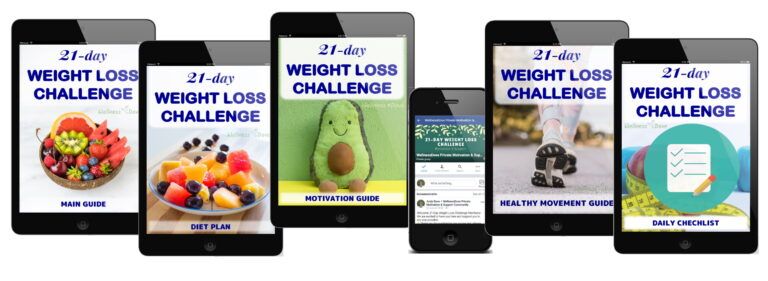
With this program, the average person loses 10-21+ pounds in just three weeks!
We invite you to try it and start losing weight quickly and healthily!