

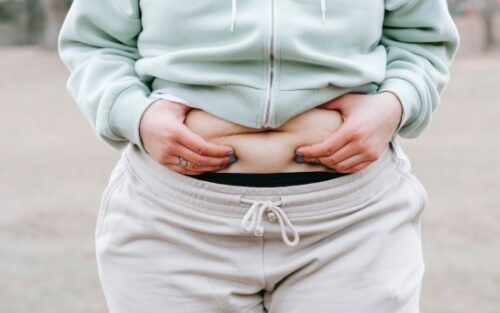
If you are looking for foods that can help you burn belly fat fast, these 23 foods will help you reach your goals!
At first, it may seem like working out is the most important thing to have a flat belly.
In reality, though, 80% of weight loss comes from what we put into our mouths!
You can do crunches all day long if you don’t add some good nutrition, those toned abs will forever remain just as elusive as ever.
Here are 23 nourishing foods that will help you get the belly of your dreams!
Oats
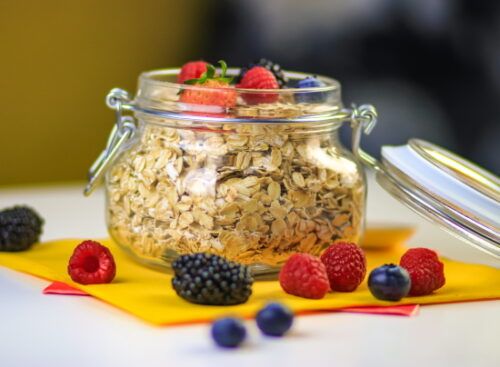
High-fiber foods can also help burn belly fat, and oats are a good example.
Oats are made up of beta-glucan soluble fiber that reacts with your body’s healthy bacteria to increase feelings of fullness so you eat less.
The fiber in oats binds to the foods eaten around it and slows down the digestion process. It is able to do this by straining out some cholesterol and other unhealthy substances from food before they enter your bloodstream as well.
Oatmeal is also high in protein which can help curb appetite.
They are also a great source of complex carbohydrates which help regulate your blood sugar levels.
Grapefruit
This fruit has a lot of water content and the skin contains citric acid which helps to break down fats.
Grapefruit is one of the best foods for weight loss because it helps break down fats and carbs in food before they are converted into body fat.
A study published by Cornell University found that people who ate half grapefruit before each meal lost three times as much weight over the course of 12 weeks.
Citrus fruits also contain antioxidants such as Vitamin C, so they can help your body stay healthy while you’re on a diet.
Mushrooms
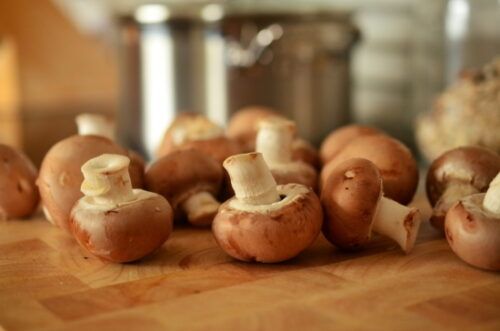
Mushrooms are high in fiber and low in calories, which makes them great for burning belly fat.
Recently they’ve also gained attention as a weight-loss food thanks to their ability to inhibit the growth of fat cells.
Consuming mushrooms can slow down your metabolism so you burn more calories while resting or digesting foods.
The anti-inflammatory foods can also boost the immune system to fight off illnesses and ward off inflammation-caused weight gain.
They’re also rich in antioxidants such as Vitamin D which can help the body stay healthy while you lose weight!
Beans
They are not only relatively low on the glycemic index, but they also have a lot of protein and fiber that is necessary for successful weight loss. This is perfect for anyone who wants to lose weight while still maintaining their muscle mass!
Beans are truly effective for weight loss.
A study published in The Journal of Nutrition found subjects who consumed six cups per week were 30% less likely to gain weight over the course of five years than those who didn’t eat beans at all!
Spinach
Spinach is a great way to fill up because it’s high in fiber and water and low on calories.
It has been shown in research to help with the management of body’s blood sugar levels.
A study in Sweden found that people who ate more than four servings a day were 33% less likely to be overweight or obese and had lower BMIs
Green Tea
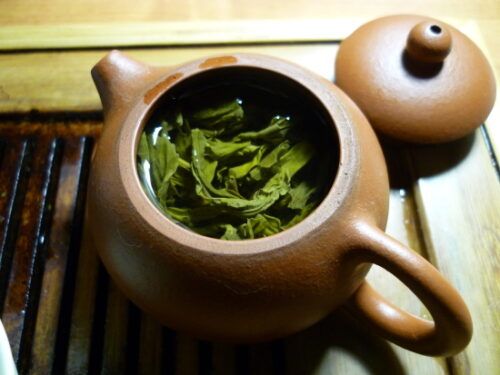
Green Tea is a fat burner. The benefits of green tea are that it boosts your metabolism, improves digestion, and also assists to lower cholesterol levels.
It also contains antioxidants such as Vitamin C and E so it’s perfect for anyone who wants to stay healthy while they lose weight!
Green tea can help you lose weight by burning calories as well as boosting the body’s ability to use glucose more efficiently. It has been found that when taken before meals for three months supplementation with green tea can reduce body weight by around three pounds on average.
Green Tea is also a natural diuretic, helping to flush out excess water and toxins from the kidneys which will help you lose belly fat. That’s because it contains catechins that trigger your liver cells to release more stored sugar into the bloodstream, improving energy levels.
We love the natural power of green tea to burn fat and detoxify the body.
That’s why we have included green tea in our 21 Day Challenge that helps you lose 10 to over 21 pounds in three weeks!
Chili Peppers
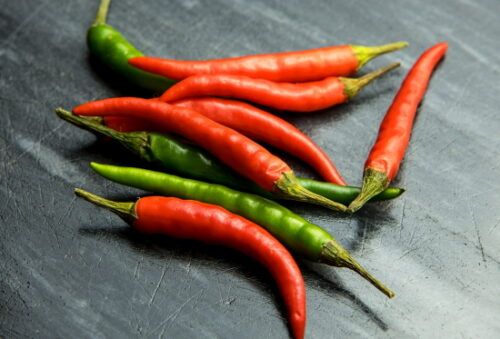
Foods with chili peppers have been shown to help the body burn more fat.
Chili peppers can help to block the formation of new fat cells which is why they’re great food for burning belly fat.
There’s not one specific type of chili you should use since they all have different amounts of nutrients, but I recommend using any kind you enjoy.
Since chili peppers are spicy foods, they can also be great for increasing your metabolism and releasing endorphins that make you happy.
They’re a natural appetite suppressant too which is why many people who struggle with weight loss take them to help themselves feel full faster so they don’t overeat or binge eat as much.
Chili peppers are also high in Vitamin C which can keep you healthy while you’re on a diet as well!
Broccoli and Cauliflower
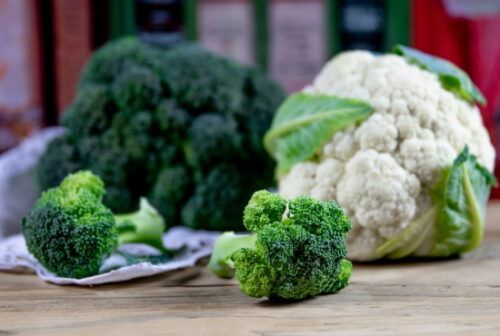
These foods are some of the best foods for weight loss because they’re very low calorie foods that are high in fiber.
Broccoli is also very high in vitamin C and other antioxidants, which can help prevent heart disease and cancer by reducing the inflammation in cells that leads to these diseases.
Broccoli contains four times as much calcium as dairy foods do!
People who eat broccoli regularly are at lower risk of developing type-two diabetes.
Put simply, broccoli and cauliflower make you healthier and, consequently, slimmer!
Ginger Root Juice (or foods with ginger)
Ginger is a great addition to any diet because it has been shown in studies to increase fat burning and suppress appetite.
It also helps in the weight loss process by regulating blood sugar levels and controlling cholesterol.
Cucumbers
Cucumbers are low in calories and high in water content, which means that they’re perfect foods for someone on a diet.
This is a super alkalizing food that fights inflammation and helps the body burn fat easier!
Plus, cucumbers contain Vitamin K, folate, copper, and potassium which can help the body stay healthy while you’re losing weight.
Cinnamon
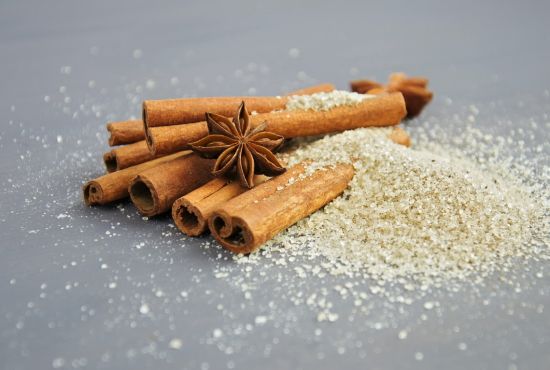
Cinnamon is one of the foods that burn belly fat fast.
This spice not only helps to control blood sugar level but also lowers cholesterol and triglyceride levels in the body. It has multiple heart health benefits as well.
A study from 2006 found that cinnamon extract helped insulin work faster at lowering blood glucose than a placebo did.
Cinnamon has also been shown to increase feelings of fullness after eating a meal.
Bonus: It also tastes great in foods like oatmeal, coffee, and apple pie!
Turmeric (or foods with turmeric)
Turmeric might not sound very appetizing but it’s actually very good for you.
It’s been shown to help promote weight loss by reducing the size of fat cells and increasing metabolism!
Kale
Kale has been shown in research to help regulate blood sugar levels, which is a key part of any weight loss program.
It’s also one of the foods that have been proven to burn belly fat quickly because it increases metabolism and reduces appetite!
Almonds
Almonds are a great food to help you lose weight.
They are high in protein and fiber, which will help you feel fuller longer so that you won’t overeat.
Almonds are rich in monounsaturated fats, which can lower your cholesterol and reduce heart disease risk as well as promote better blood circulation.
In addition, they have omega-nutrients that help with brain function, stress relief, and even offer protection for eyesight.
Fruits
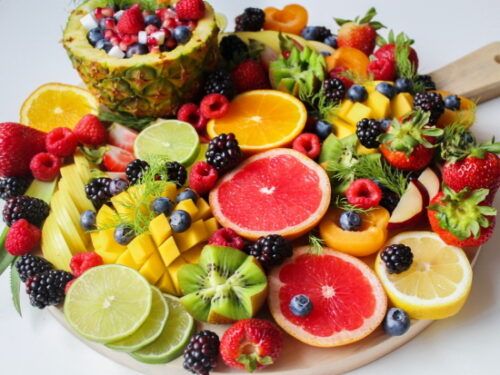
All fruits can be a great addition to your weight loss regimen.
Some fruits are higher in calories than others, but they’re all packed with nutrients like fiber, water and vitamins that will help you feel full for longer.
For example, bananas are a great food to help with cravings and hunger pains if you’re following a diet plan or trying to lose weight.
Fruits (like apples) contain pectin, a type of fiber that foods high in soluble fiber will help to keep you full and prevent overeating.
They also contain quercetin, a natural anti-inflammatory agent to combat toxins in the bloodstream that can increase fat storage around organs like the liver or heart.
Fruits are a healthy and tasty way to lose fat quickly. In fact, our 21 Day Weight Loss Challenge uses fruits to help you lose 10-21 pounds in 21 Days!
Tomatoes (or foods with tomatoes)
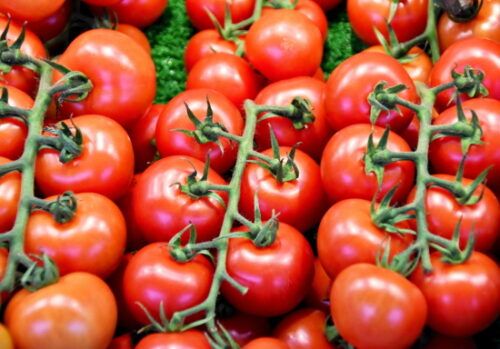
Again, this is a great food for weight loss because it’s low calorie and high in fiber.
Tomatoes, as well as any foods that contain lycopene, are known for their ability to help reduce cardiovascular disease and lower the risk of some cancers.
Tomatoes also aid in digestion because they promote healthy bacteria growth in your intestines due to a nutrient called D-limonene found only in foods like tomatoes.
It also contains Vitamin C and A to keep you healthy and promote weight loss!!
Celery
This food is high in water content and antioxidants, that help the body detoxify and burn fat.
It’s also a very low calorie food that is perfect for anyone who wants to lose weight while still maintaining muscle mass.
Plus, celery has been shown in research to help with the body’s blood sugar levels.
Curry Spice Mix or Foods With Curry In Them
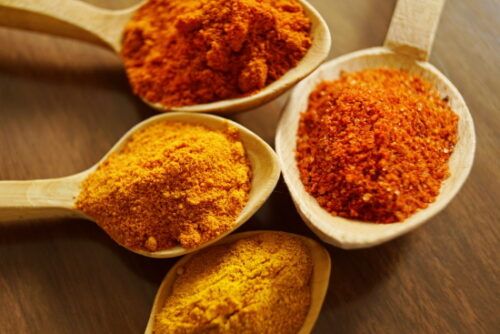
Spices like curry have been shown to help regulate blood sugar levels, which is so important for optimal health.
Curry is a rich source of turmeric, which helps to suppress appetite.
If you don’t like pure turmeric, curry is a flavorful way to add some to your diet.
Curcumin in curry also acts as an anti-inflammatory which helps fat metabolism.
Curry contains ingredients that are known for their ability to flush out toxins from the body and protect against heart disease.
Cranberry Juice or foods with cranberries in them
Cranberries promote weight loss by suppressing appetite so they’re perfect foods for people who have a hard time controlling how much they eat.
One study showed people who ate a lot of cranberries lost more than twice the amount of belly fat as those who didn’t eat them at all.
The secret is in their special flavonoids, which block enzymes that make fat cells grow and also increase HDL cholesterol, which is the good kind.
They’re also low in calories and high in fiber, which is great for anyone on a diet!
Fennel or foods with fennel (or anise)
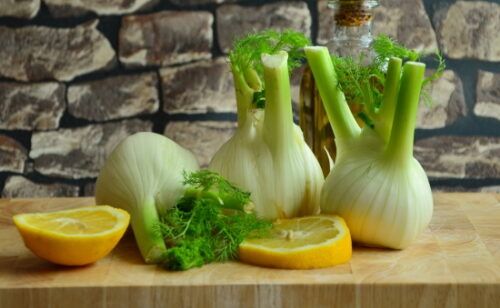
Fennel has been shown to help promote weight loss by regulating blood sugar level.
Fennel is a great source of fiber, which can help speed up the process of food leaving your stomach.
Fiber also fills you up faster and more effectively than foods without fibers in them. There are many types of foods that contain this helpful nutrient but fennel packs its flavor better so it’s easier to eat more of it throughout the day.
Fennel is also a great source of calcium which has been shown to reduce the amount of fat that people consume. If you’re currently experiencing any type of weight loss problem then this might be exactly what your doctor ordered!
And not only does it have these benefits but it’s also full of vitamins that could help you live a healthier lifestyle.
Quinoa
Quinoa is a great addition to any diet because it’s high in protein and fiber.
It also contains Vitamin C which can help promote weight loss by boosting metabolism!
Quinoa contains all of the essential amino acids that the body needs to make protein. This makes it perfect for anyone who wants to lose weight while still maintaining their muscle mass.
Garlic
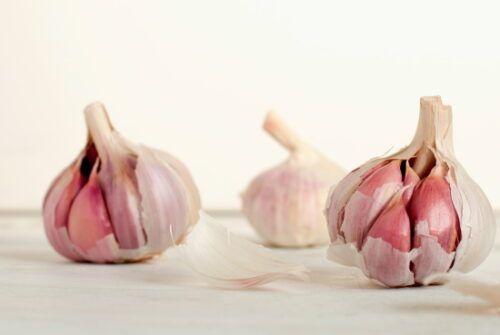
Garlic might not sound very appetizing, but foods with garlic have been shown in studies to increase fat burning and suppress appetite!
It’s also one of the foods that can help you burn belly fat quickly because of how many calories there are in it.
Watermelon
This fruit is high in water content which helps keep you full for longer periods of time, so it’s a great food to eat if you’re trying to lose weight.
It also contains Vitamin C and lycopene which are foods that can help to promote weight loss!
If you’re tired of feeling like your diet is a constant struggle and want to finally find some sustainable eating habits that work for YOU, our 21-Day Weight Loss Challenge is the place to start.
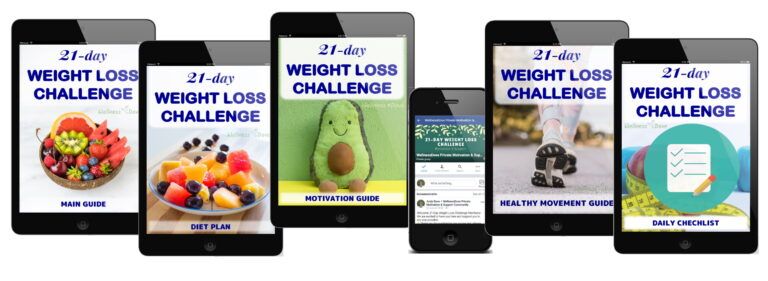
You can expect an average weight loss of 10-21 pounds in just three weeks!
But what people really love about this challenge isn’t how much they lose but how it teaches them how to change their bad eating habits and adopt a healthier way of eating and living.
This is the best place to start if you are ready to make some meaningful changes and get in shape quickly and easily.
Click here to start YOUR 21-Day Weight Loss Challenge today!